- Home
- About
Building a water-secure world.
Liv Fresh is developing modular desalination units powered by ocean waves, offered as Water-as-a-Service. This page covers why the company exists, how it works with partners, who is building it and where it is going.
Vision and mission
On a water-stressed coast, the sea can supply both the water and the energy needed to make it safe to drink. Liv Fresh is built on that idea.
- Vision
- Powering a green planet, and creating a water-secure world along the way.
- Mission
- To harness ocean waves to produce safe, accessible water for communities, industries and agriculture worldwide.
- Where we start
- Coastal and developing regions, where water scarcity is intensifying most. Our first field tests are planned in Gujarat, India.
- How we deliver
- As a service. Clients subscribe to a supply of water instead of buying a plant, so there is no upfront capital cost and the water comes at a fixed cost, whatever the rainfall.
- What we leave out
- Units are designed for zero grid electricity, zero greenhouse-gas emissions, zero land and zero chemicals, with eco-friendly brine and a safer water intake.
Why Liv Fresh exists
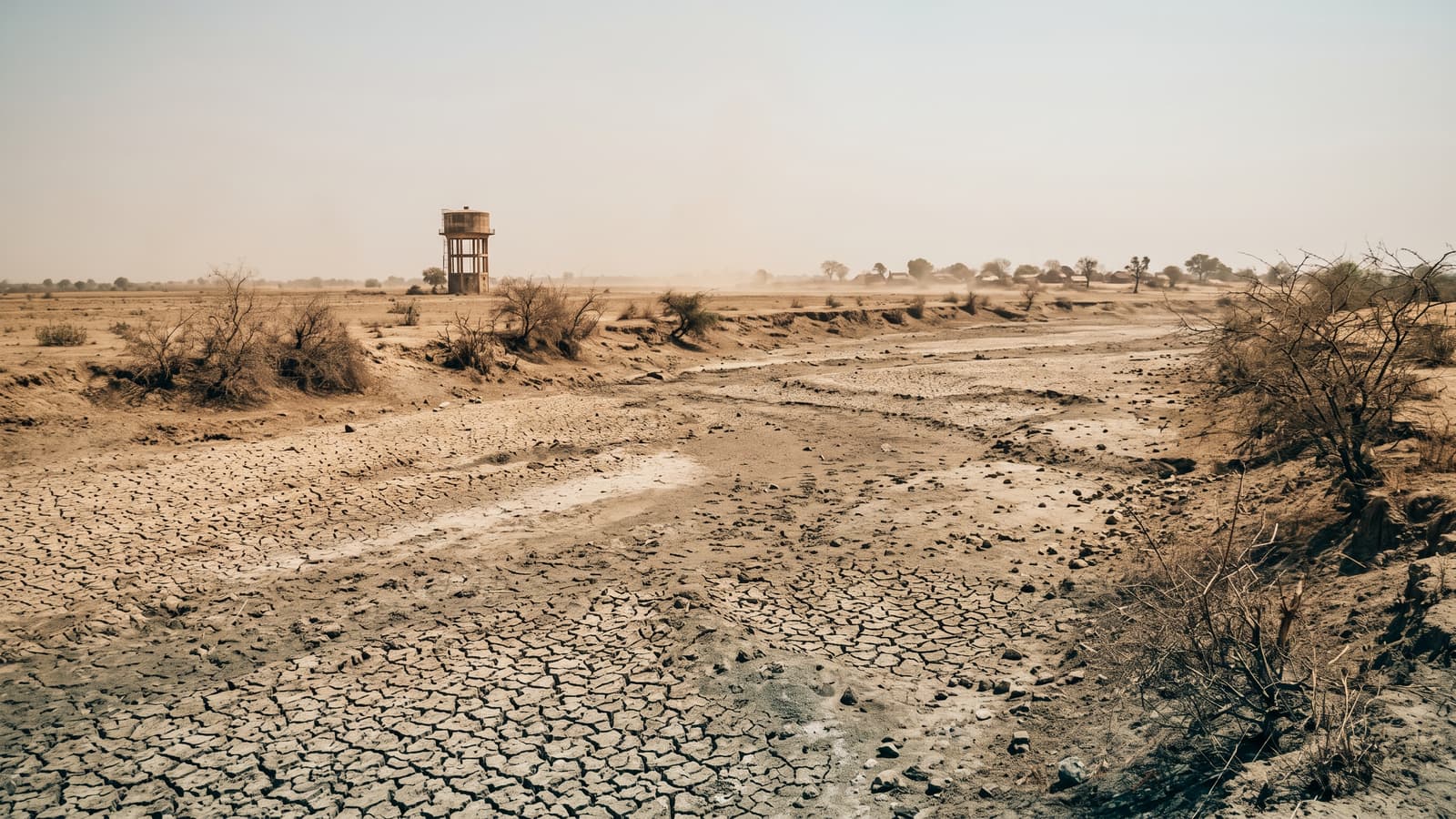
Water scarcity is intensifying worldwide, especially in coastal and developing regions. 2.4 billion people already live under high water stress.
India shows what is at stake. It is home to 18% of the world's population but only 4% of its water, and by 2030 it faces a 50% gap between water demand and supply.
- 163 million people lack safe drinking water, and 210 million lack sanitation.
- 70% of water is contaminated, and unsafe water causes 200,000 deaths a year.
- Unsafe water causes 21% of diseases, costing $600 million and 73 million working days every year.
- 70–80% of farmers rely on groundwater, and levels have dropped by more than 8% in some areas.
Why the answer is in the sea
For coastal regions, the sea is the obvious source of new fresh water, and desalination already works. Reverse osmosis pushes seawater through a membrane fine enough to hold back the salt. The catch is energy: creating that pressure takes a great deal of power, which makes conventional plants costly to run and high in CO₂ emissions.
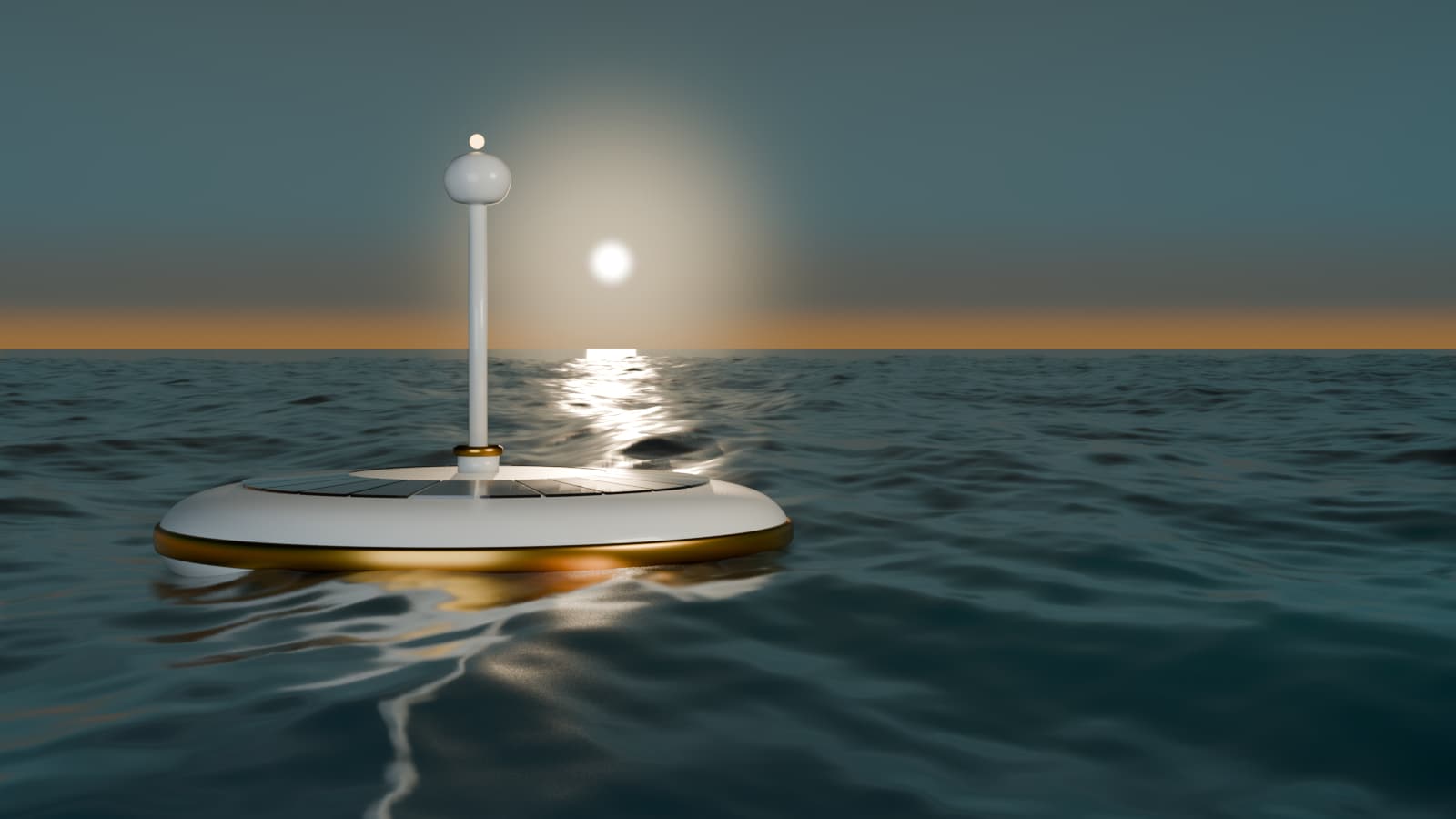
Liv Fresh takes its energy from the waves instead. Wave energy converters capture the motion of the sea, solar and wind add to it, and supercapacitors store the surplus for calm periods, so a unit does not depend on the grid. Units are modular and 3D-printed from lightweight, corrosion-resistant materials, so they can be deployed, maintained and scaled quickly.
How we work with others
Water security is too large a job for one company. Liv Fresh grows through partnerships, explains its work to the communities it serves and keeps investing in research.
- Partnerships
- We work with governments, NGOs and industries to extend our reach and impact. State governments, islands and countries can partner with Liv Fresh to give people low-cost, sustainable water while saving taxpayer money. For government contracts, the indicative public-sector rate is $0.70–$1.10 per 1,000 litres of desalinated water.
- Private-sector supply
- We supply water to cities, industry, tourism, residential communities, hotels and resorts, private islands, irrigation and emergency services. See the sectors we serve.
- Community education
- We inform the communities we serve about the health and economic benefits of a safe, dependable water supply from Liv Fresh.
- Continuous research and development
- Focused R&D to raise water-production efficiency and bring costs down. Results from field testing feed back into the design.
- Shared data
- Integrated IoT monitoring, with satellite-enabled remote access, gives partners real-time data on water quality and system health.
The people building Liv Fresh
Desalination systems engineering, precision engineering, finance and international business, with experience from Singapore, the UK and Germany.
-
Milan Jogani
Founder and CEO
Eco-innovation pioneer and specialist in complex science and engineering. Inventor of an environment-friendly silicone leather, with expertise in supply chains in Singapore and business in the UK. Board Director at Capchase.
-
Hardik Patel
Co-founder and CTO
Desalination systems expert and technology strategist with advanced expertise in complex desalination engineering. Former Managing Director of SNT Electronics, previously at BMW in Germany. Master's in Electronics and Communication Engineering (Germany).
-
Deepa Chauhan
Chief Financial Officer
Financial strategist and data-driven analyst with eight years of finance experience. Formerly with Angel One, skilled in financial scaling and risk management.
-
Rashmin Sorthiya
Lead Engineer
Mechanical engineer and precision engineering specialist, formerly at Mahindra & Mahindra, with proven experience in high-efficiency engineering solutions and technical innovation.
-
Jayesh Nabhoya
Engineering
Technical specialist and quality-focused engineer who drives Liv Fresh's engineering quality, advancing its modular, efficient desalination systems.
From development to global adoption
Five stages, each building on evidence from the one before. Current progress and timings are available on request.
-
1
Development
Finalise the unit design and optimise its performance so it is ready for real-world pilots.
-
2
Initial piloting
Small-scale field testing in Gujarat to validate performance, efficiency and adaptability. Real-world results guide further improvements.
-
3
Early adoption
Scale beyond the first pilot, collecting outcome data and assessing economic impact to build the evidence for scaling.
-
4
Transition to scale
Support successful units with improvements and prepare for wider adoption in new markets.
-
5
Global adoption
Adoption in several countries across the regions most affected by water scarcity, showing Liv Fresh's adaptability and reliability.
Certified and connected
Liv Fresh is ISO 9001, ISO 14001 and ZED Gold certified, part of the global water and ocean community, and designs its water to the standards of the world's leading health and development organisations.
Certified
- ISO 9001Quality management
- ISO 14001Environmental management
 MSME Sustainable (ZED) Certification, Gold
Part of the global water and ocean community
 Gujarat Chamber of Commerce and IndustryMember

- World Water Forum

Designed to meet the drinking-water standards and goals of




These logos identify the organisations whose standards and goals Liv Fresh designs to. They do not imply endorsement.
Work with Liv Fresh on a water-secure coast.
Tell us where you need water, or how you would like to work with Liv Fresh as a partner or investor, and we will arrange a conversation.