- Home
- Technology
How a Liv Fresh unit turns waves into fresh water
A Liv Fresh unit captures energy from the sea, stores it and uses it to desalinate seawater, with no grid connection, no fuel and no chemicals. This page explains each step and every technology inside.
Four steps from wave to water
Desalination takes a lot of energy, and conventional plants buy it from the grid. A Liv Fresh unit generates its own from the sea it treats.
-
Capture
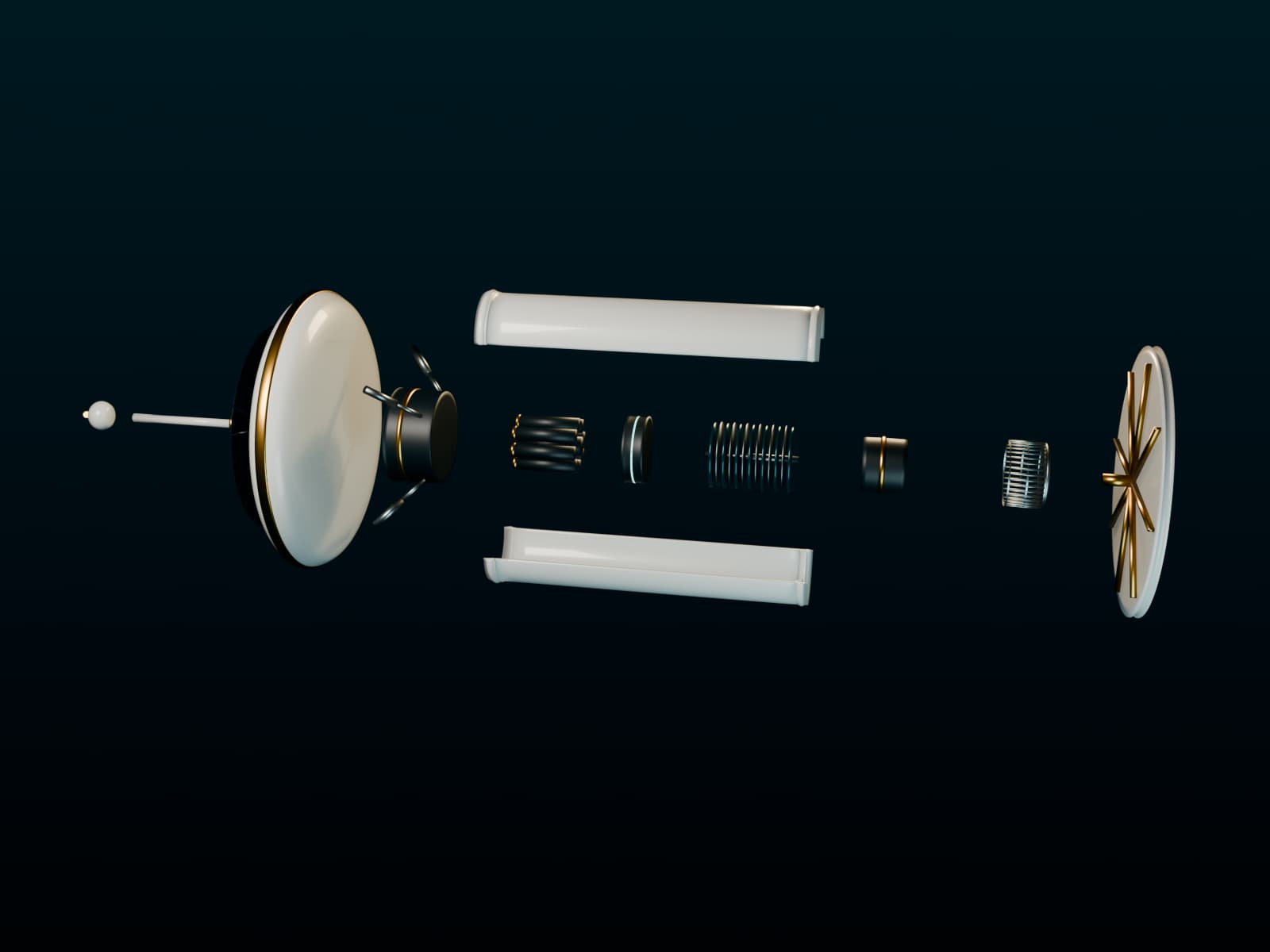
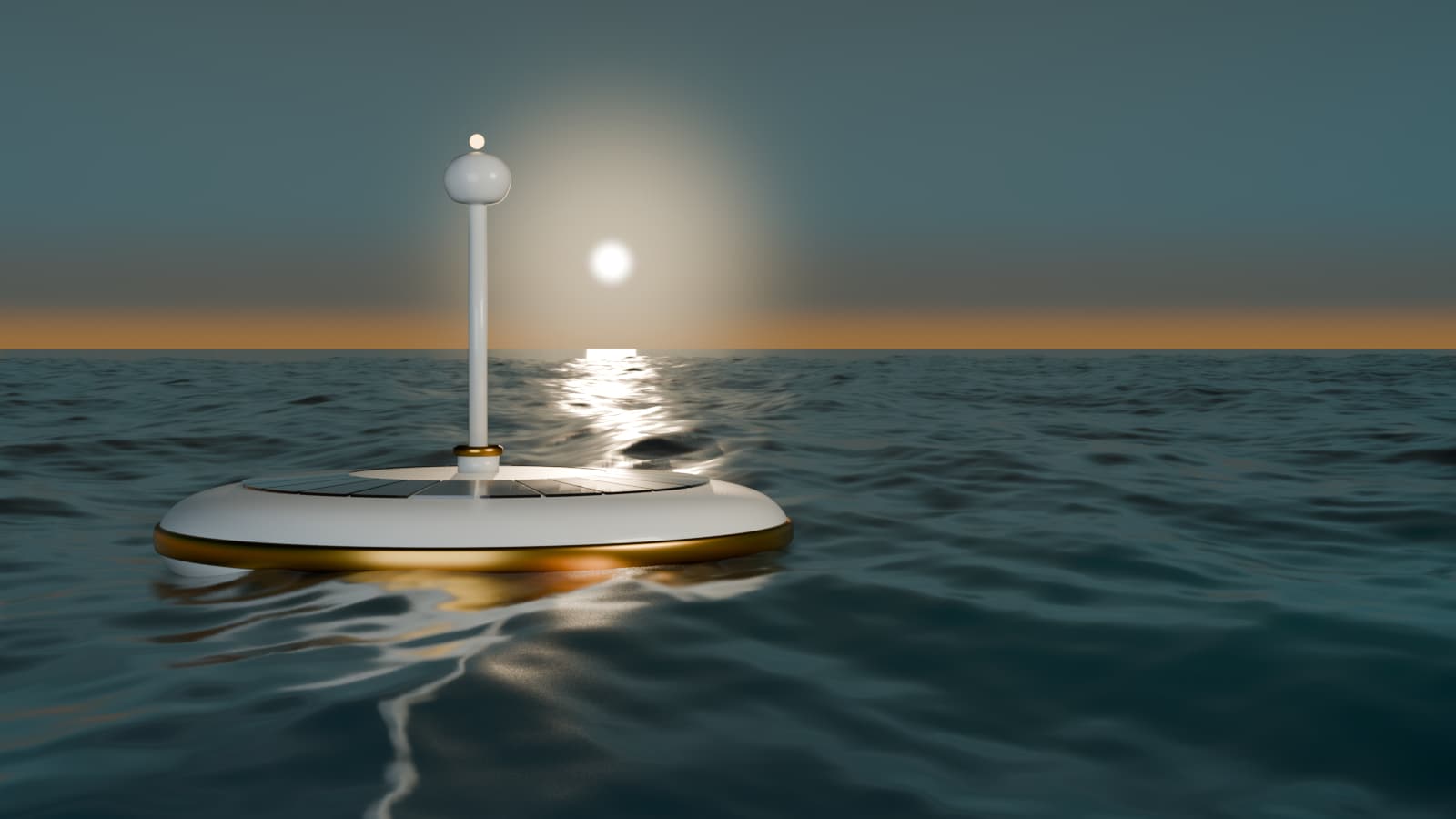
Each unit is moored to the sea floor, so it holds its position while it rides the swell. Flexible wave energy converters turn the motion of passing waves into power. They adapt to changing wave intensity, so the unit keeps producing water as the sea shifts from hour to hour.
-
Store
Graphene-based supercapacitors bank surplus energy when the waves are strong and release it when they ease. Solar and wind add to the supply, so production can continue through low-wave periods and at night.
-
Filter
Seawater passes through graphene-oxide nanomembranes that separate fresh water from salt. An AI control system regulates the process to get the most water from the energy available and to keep waste down.
-
Deliver
Fresh water flows from the unit through a pipeline along the sea floor to a collection centre on shore, and on to the client. Units in an array share the same collection centre. Satellite-linked sensors report water quality and system health in real time, so performance is visible to Liv Fresh and to the client.
Seven technologies inside one unit
Each one has a specific job. Together they let a unit make fresh water at sea without drawing on the grid, the land or a chemical supply chain.
Energy that comes from the sea
Flexible wave energy converters. Waves change in height and rhythm through the day and across the seasons, and a converter tuned to one sea state wastes energy in the others. Liv Fresh's converters are adaptive: they capture variable wave intensities, and the AI control system monitors them so water production carries on as conditions change.
Supercapacitor energy storage. A supercapacitor stores energy in an electric field rather than through a chemical reaction, so it can take in and release power quickly and cope with constant charging and discharging. That suits wave energy, which arrives in pulses. Liv Fresh uses graphene-based supercapacitors to hold excess energy and keep the unit running through low-wave periods.
Hybrid energy system. Solar and wind work alongside wave power. Drawing on three sources makes the supply more resilient than relying on any one of them, and is designed to keep units running around the clock.
Graphene-oxide membranes
In membrane desalination, the membrane is the heart of the system. It is where salt is separated from water, and driving water through it is where most of the energy goes. Every membrane also needs cleaning and, eventually, replacing, and each stoppage is time without supply.
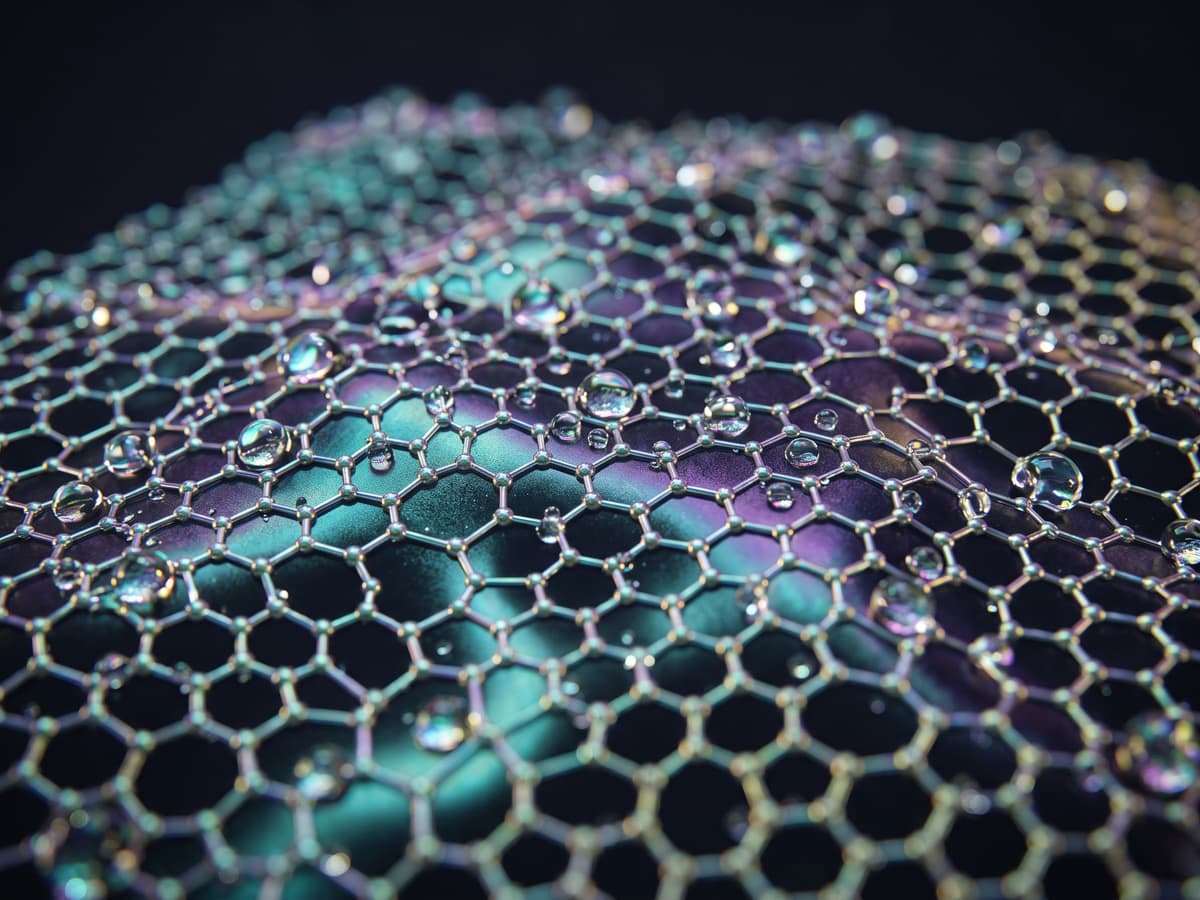
Graphene oxide is graphene, a sheet of carbon one atom thick, carrying oxygen-containing groups. Built up into thin layers, it forms extremely fine channels that water can travel through. Liv Fresh uses graphene-oxide nanomembranes to reduce energy use, filtration costs and operational downtime.
Control and monitoring
AI control system. A desalination unit at sea works with conditions that never stay still: the energy coming in, the energy in storage and the state of the membranes. AI algorithms regulate the desalination process in response, to maximise water output and minimise waste.
Real-time IoT monitoring. Sensors on each unit report performance, water quality and system health over a satellite link, so a unit can be monitored remotely wherever it is deployed. The data is used to optimise efficiency and resource use, and it gives clients a transparent view of the water they receive.
Liv Fresh projects that this monitoring will reduce lifecycle costs by 25%. Projected targets, to be confirmed in pilot deployments.
3D-printed modular design
Salt water, spray and constant motion wear down equipment at sea. Liv Fresh units are built as 3D-printed modules in lightweight, corrosion-resistant materials.
- Rapid deployment. Light modules are easier to transport and install.
- Simpler maintenance. Work can focus on the module that needs it, and corrosion-resistant materials stand up to the sea.
- Scaling. Capacity grows by adding units, rather than by building a bigger plant.
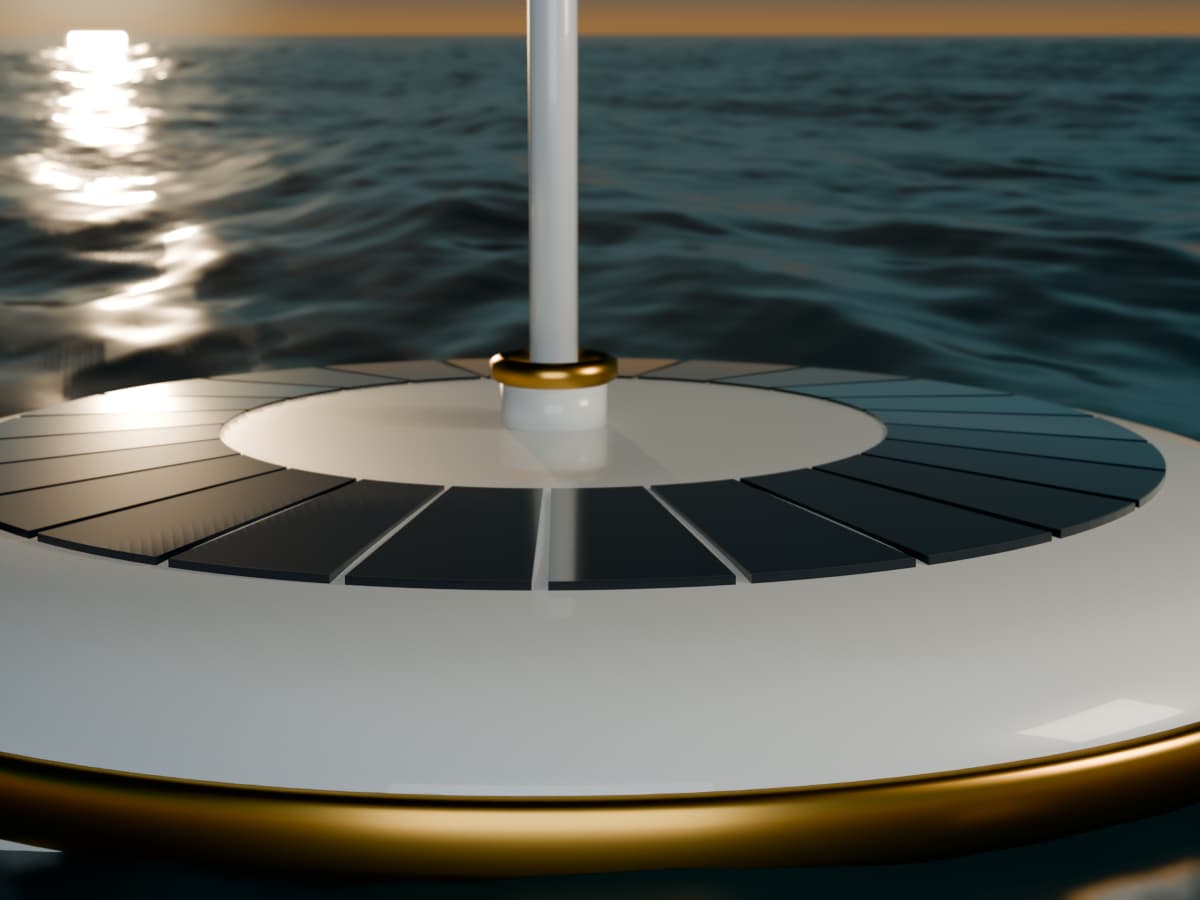
A conventional plant and a Liv Fresh unit, side by side
Conventional desalination works, but it is costly, energy-intensive and heavy on CO₂. Here is how a Liv Fresh unit approaches each of those problems.
| Aspect | Conventional plant | Liv Fresh unit |
|---|---|---|
| Energy source | Energy-intensive, usually powered from the grid or by fossil fuels. | Wave energy, with solar and wind in a hybrid system. |
| Grid connection | Needs a large, continuous power supply. | Not needed. Units are designed to run on zero grid electricity. |
| Emissions | CO₂-heavy, driven by its energy use. | Zero greenhouse-gas emissions. |
| Land use | A coastal plant site, plus intake, outfall and power infrastructure. | Zero land space for the units, which work at sea. A collection centre on shore receives the water. |
| Chemicals | Chemicals are commonly used to pre-treat seawater and clean membranes. | Zero chemicals. |
| Brine | Concentrated brine returned to the sea needs careful management. | Eco-friendly brine, free of process chemicals. |
| Cost | High cost to build and to run. | Targets desalination costs more than 50% below traditional plants. Projected targets, to be confirmed in pilot deployments. Indicative public-sector rate: $0.70–$1.10 per 1,000 litres. |
| Upfront investment | A large capital outlay to build the plant. | None under Water-as-a-Service. Clients subscribe to the water. |
| Scaling | Limited. Capacity is largely fixed when the plant is built. | Modular. Capacity grows by adding units. |
| Deployment speed | Large civil works and long build programmes. | Lightweight, 3D-printed modules designed for rapid deployment. |
Technical questions buyers ask
- What happens on calm days, or at night?
-
Three things keep a unit running when the waves drop. The flexible converters keep capturing energy from smaller waves. Graphene-based supercapacitors release energy stored while the sea was more active. Solar and wind add to the supply through the hybrid energy system.
The aim is uninterrupted operation through low-wave periods and around the clock. Pilot deployments will show how that holds up across real sea conditions.
- How much water does one unit produce?
-
Output depends on how a unit is configured and on the sea conditions where it works, so Liv Fresh sizes supply for each project rather than quoting a single headline figure. Because the design is modular, more demand means more units.
Liv Fresh also matches output to the use, whether agriculture, industry or community supply, and targets up to 75% greater efficiency as a result. Projected targets, to be confirmed in pilot deployments. Capacity details for your site are available on request.
- How does a unit stay in place, and how does the water reach shore?
-
Each unit is moored to the sea floor. A pipeline from the unit runs along the sea floor to a collection centre on shore, and on to the client. Units added later pipe their water to the same collection centre.
- How is water quality monitored?
-
Each unit carries IoT sensors that report water quality and system health in real time over a satellite link. Liv Fresh and the client see the same data, so there is a transparent record of the water supplied. Details of the parameters measured are available on request.
- What happens to the brine?
-
Every desalination process leaves a concentrated salt stream. Liv Fresh's process uses no chemicals, so the brine does not carry pre-treatment or cleaning chemicals back into the sea. Liv Fresh designs for eco-friendly brine, a safer water intake and conditions that promote the growth of marine life.
- How are units maintained, and who does it?
-
The design reduces the work in three ways: corrosion-resistant 3D-printed modules stand up to the sea, graphene-oxide membranes reduce operational downtime, and real-time monitoring shows system health remotely, so problems can be spotted early.
Under Water-as-a-Service, clients subscribe to the water rather than buying the equipment, so looking after the units is Liv Fresh's job.
- Where can a Liv Fresh unit work?
-
Wherever a coast needs fresh water: urban centres, industrial hubs, farms, hotels and resorts, private islands, residential communities and emergency services. A unit needs no grid connection and no land, which suits places far from existing infrastructure. Whether a specific site suits a unit depends on its sea conditions, and Liv Fresh can discuss that with you.
- Has the technology been proven at sea?
-
Liv Fresh's roadmap starts with finalising the unit design for pilot readiness, followed by small-scale field testing in Gujarat to validate the system's performance, efficiency and adaptability. Real-world results from that testing will guide further improvements, and the figures marked as projected targets on this page will be confirmed through pilot deployments.
Discuss the technology with our engineers
Tell us about your coastline and the water you need. We will explain how Liv Fresh units would work there and share technical detail on request.