- Home
- Solutions
Fresh water for every coast that runs short.
Liv Fresh turns seawater into fresh water using the energy of the waves, and supplies it as a service. Here is the water problem each sector faces, how Liv Fresh helps, and how the water is delivered.
One technology, set up for each sector
Liv Fresh units are being developed for communities, industry and agriculture in water-stressed regions. The core system is the same everywhere; the output is matched to what each site needs.
Worldwide, 2.4 billion people face high water stress, and by 2030 India faces a 50% gap between water demand and supply. Conventional desalination can close part of that gap, but the plants are costly, energy-intensive and heavy on CO₂.
Liv Fresh takes a different route. Adaptive, AI-monitored converters capture the energy of the waves. Graphene oxide membranes filter the seawater with less energy and less downtime. Graphene-based supercapacitors store surplus energy for calm spells, and solar and wind add to the wave energy so the system can run around the clock. An AI control system tunes the process to raise output and cut waste, and satellite-enabled monitoring reports performance in real time.
Because the design is modular, output can be set for the sector: drinking water for a town, a steady supply for an industrial site, irrigation for farms. Liv Fresh projects up to 75% greater efficiency from tailoring output this way, so that no water or energy is wasted.
Projected targets, to be confirmed in pilot deployments.
Common to every sector
- No upfront investment
- You subscribe to the water. Liv Fresh’s Water-as-a-Service model removes the capital cost of building a plant.
- A fixed-cost supply
- The water comes from the sea, not from rainfall, so the supply is drought-resistant. You pay a fixed cost for it.
- Live data
- Integrated IoT monitoring reports water quality and system health in real time.
- A light footprint
- No grid electricity, no greenhouse-gas emissions, no land and no chemicals, with eco-friendly brine and a safer water intake.
Sectors on this page
Cities and coastal communities
The problem. Coastal towns live beside the sea, yet many cannot get enough water that is safe to drink. In India, 163 million people lack safe drinking water, 70% of water is contaminated, and unsafe water causes 200,000 deaths a year. Even Bengaluru, among India’s most innovative cities, has faced a water crisis.
How Liv Fresh helps. Liv Fresh draws its water from the sea, adding a supply that does not depend on rainfall or on rivers and aquifers that are already under strain. The units use no grid electricity, no land and no chemicals, and real-time monitoring shows the people responsible for supply the quality of the water being produced.
How it is delivered. Cities and residential communities subscribe to the water through Water-as-a-Service at a fixed cost, instead of funding a plant. Alongside supply, Liv Fresh’s approach is to work with communities to explain the health and economic benefits of safe water.
Governments and municipalities
The problem. India holds 4% of the world’s water and 18% of its people. LocalCircles reports that only 4% of Indian households get drinkable water from their local body, and Moody’s has warned that a worsening water crisis can weigh on India’s sovereign credit strength. A conventional desalination plant means a large capital outlay for a facility that is costly to run.
How Liv Fresh helps. Liv Fresh offers exclusive partnerships: state governments, islands or countries can partner with Liv Fresh to bring low-cost, sustainable water to millions of people while saving taxpayer money. Liv Fresh’s wave-powered technology is projected to cut desalination costs by over 50% compared with conventional plants, and real-time monitoring to cut lifecycle costs by 25%.
Projected targets, to be confirmed in pilot deployments.
How it is delivered. Public-sector supply runs through government contracts, at an indicative rate of $0.70 to $1.10 per 1,000 litres of desalinated water. There is no upfront investment, so public budgets stay free for other critical needs, and real-time data on water quality and system health gives officials a transparent record of what is supplied.
Industry
The problem. Industrial sites need a steady supply of water, and shortages put production at risk: Moody’s has warned that dry taps in Delhi and Bengaluru are injurious to India’s economic health. Basic filtration cannot meet water needs at industrial scale, and conventional desalination brings high energy use and CO₂ emissions that work against sustainability targets.
How Liv Fresh helps. Liv Fresh offers coastal industrial hubs a consistent, scalable supply, with output set to the site’s needs. Wave, solar and wind energy, backed by supercapacitor storage, are designed to keep production going through low-wave periods. With no grid electricity and no greenhouse-gas emissions, the water supports your sustainable development goals instead of adding to your footprint.
How it is delivered. Industrial clients subscribe to the water through Water-as-a-Service, with no capital tied up in plant. The 3D-printed modular design lets supply grow with demand, and Liv Fresh shares real-time data on water quality and system health with you.
Agriculture
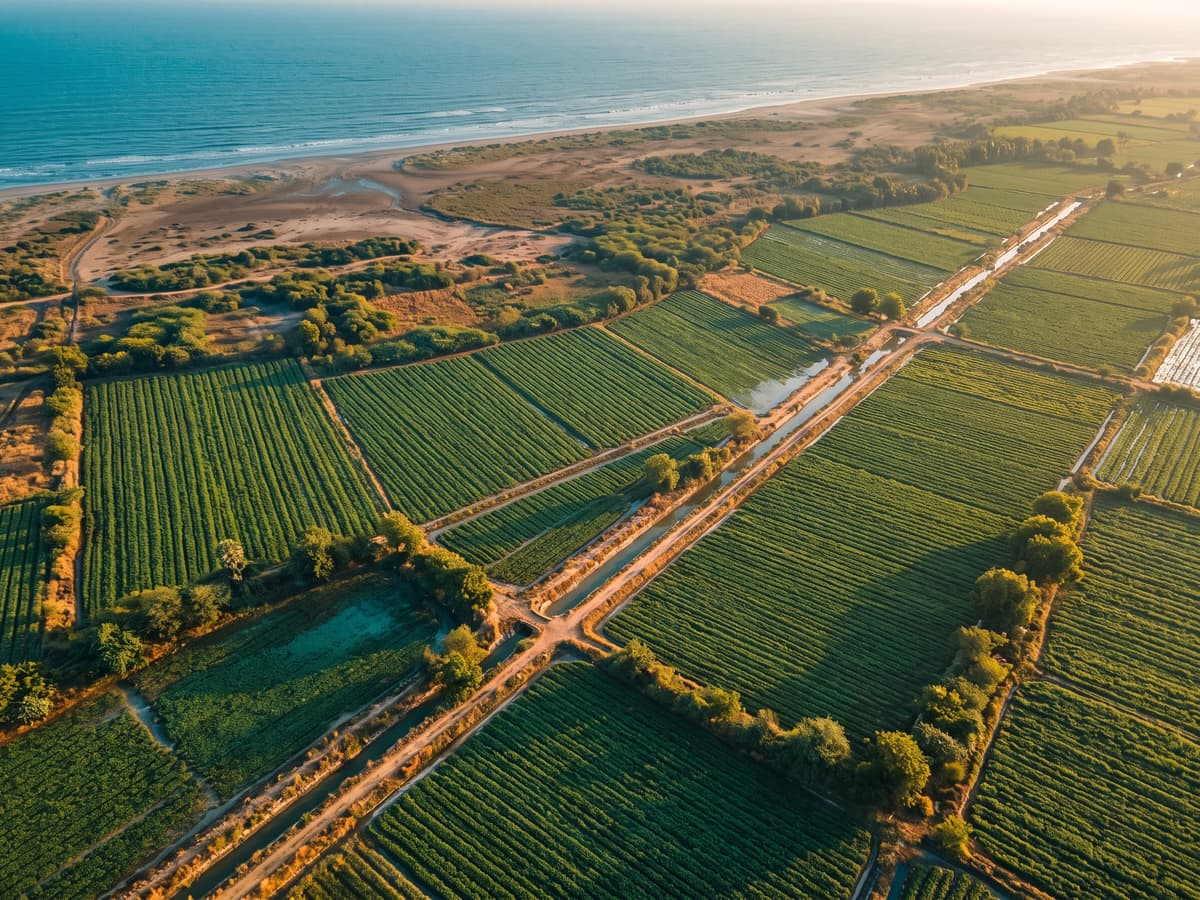
The problem. Farming is where water stress turns into lost income. Between 70 and 80% of farmers rely on groundwater, and in some areas levels have dropped by more than 8%, deepening poverty. Water-intensive crops cover 40% of farmland, and climate change is making droughts worse. The Guardian has reported that the global water crisis puts half of the world’s food production at risk over the next 25 years.
How Liv Fresh helps. Liv Fresh produces fresh water from the sea, so irrigation can draw less on falling groundwater. Output can be set for agricultural use, and because the source is the sea rather than rainfall, the supply holds up through drought.
How it is delivered. Water for irrigation is part of Liv Fresh’s Water-as-a-Service offer, with nothing to buy up front and a fixed cost that growers can plan around. Liv Fresh’s approach is to work with governments and NGOs to reach farming communities and to explain the health and economic benefits of a reliable supply.
Hotels, resorts and private islands
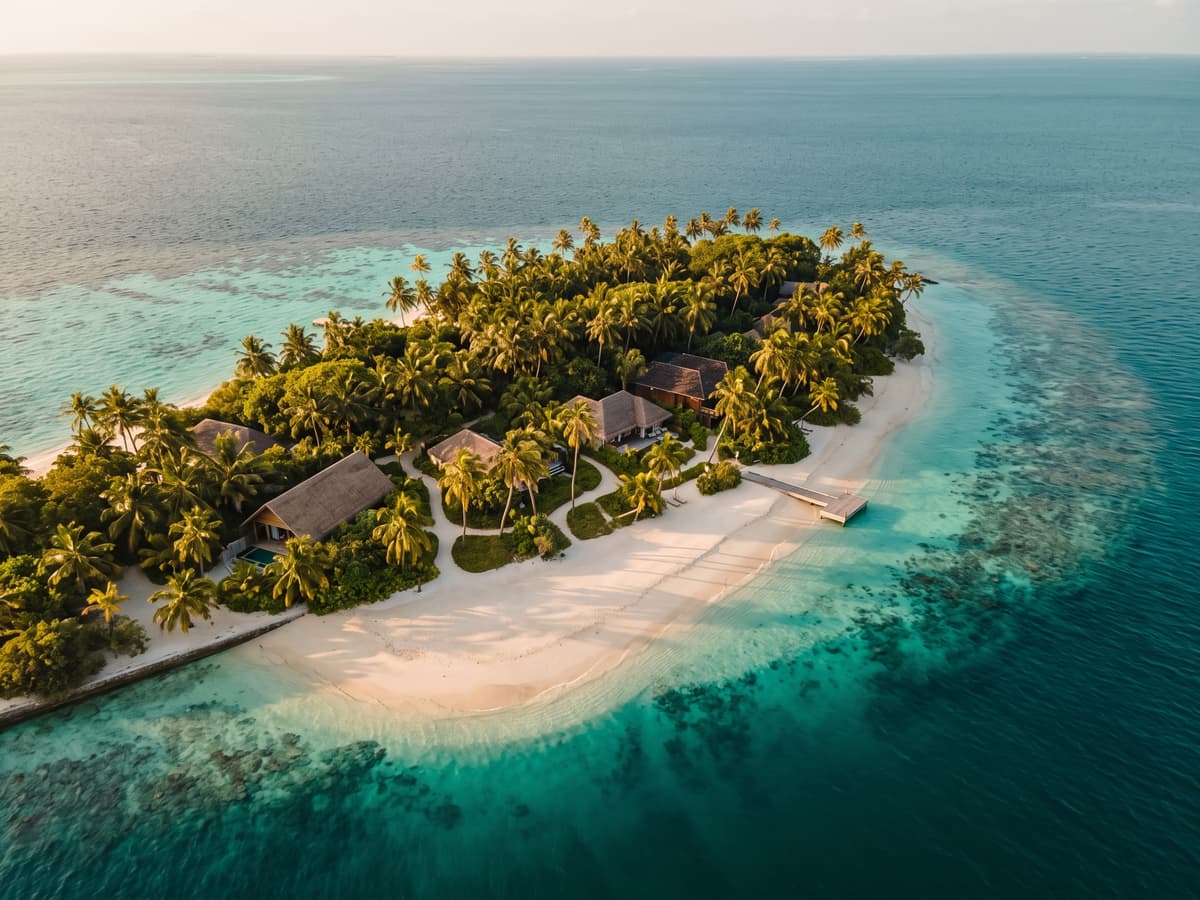
The problem. Coastal and island resorts are built around the sea, yet fresh water is often one of the hardest supplies to secure. Sites far from a mains supply rely on water brought in, or on conventional desalination, which is costly, energy-intensive and needs land of its own.
How Liv Fresh helps. Liv Fresh units take up no land and use no chemicals. The design produces eco-friendly brine, uses a safer water intake and aims to promote the growth of marine life. For a business whose guests come for the sea, that matters. With no grid electricity and no greenhouse-gas emissions, the supply also supports your sustainability commitments.
How it is delivered. Hotels, resorts and private islands subscribe to the water through Water-as-a-Service, with no upfront investment and a fixed cost that fits an operating budget. The lightweight, corrosion-resistant modules are built for rapid deployment and maintenance, and satellite-enabled monitoring reports performance and water quality from anywhere.
Emergency services
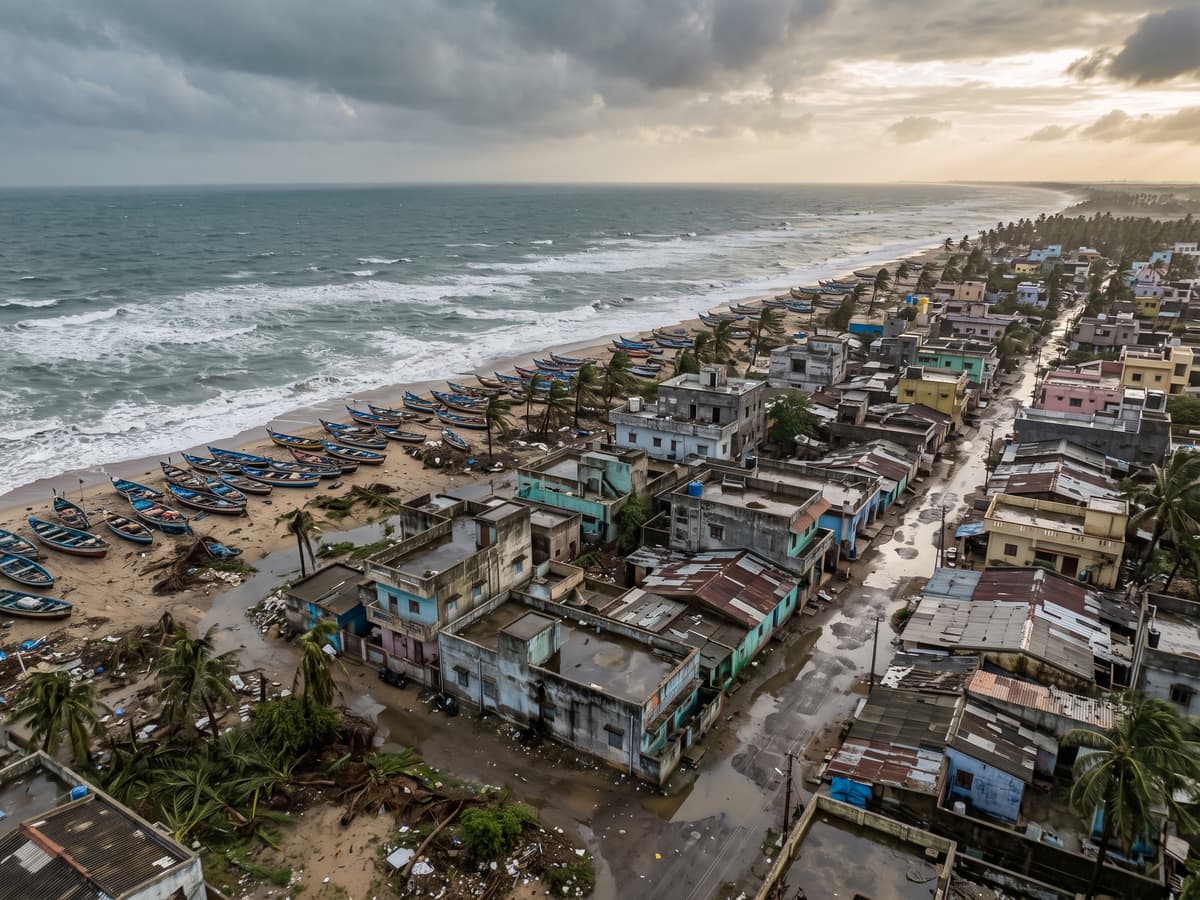
The problem. When drought or disaster cuts off supply, people need safe water quickly. Unsafe water causes 21% of diseases in India and costs 73 million working days a year. Water emergencies now reach places that rarely face them: NDTV reported New York's first drought warning in 22 years. Collecting water by hand is labour-intensive and inefficient.
How Liv Fresh helps. Liv Fresh’s 3D-printed modules are lightweight and corrosion-resistant, built for rapid deployment. They draw energy from the waves, sun and wind rather than the grid, and adaptive, AI-monitored converters adjust to changing wave conditions to keep production continuous. Automated production replaces manual collection, and satellite-enabled monitoring lets the team track performance and water quality remotely while responders focus on people.
How it is delivered. Supply for emergency services is part of Liv Fresh’s Water-as-a-Service offer. Agencies and relief organisations pay for the water, not the equipment, so capital is not tied up waiting for the next crisis. Talk to us before it is needed to plan supply for your region.
Questions buyers ask
- Do we need to buy or build a plant?
No. Under Water-as-a-Service, Liv Fresh provides and runs the units and you subscribe to the water. There is no upfront capital cost.
- What does the water cost?
For government contracts, the indicative public-sector rate is $0.70 to $1.10 per 1,000 litres.
Pricing for private-sector supply depends on the site, the sector and the contract, and we share it on request.
- How much water can a unit produce?
We share output figures on request. The system is modular, so supply scales with the number of units, and pilot deployments will confirm performance in real conditions.
- What happens when the sea is calm?
Graphene-based supercapacitors store surplus energy, and the hybrid system also draws on solar and wind, so the units can keep producing water through low-wave periods.
- Where is Liv Fresh starting?
Liv Fresh’s roadmap begins with small-scale field tests in Gujarat to validate performance, efficiency and adaptability. Early adoption and expansion into new markets follow, with the aim of reaching the countries most affected by water scarcity.
Tell us where you need water.
Share your site, your sector and the water you need, and we will talk you through how Liv Fresh could supply it.