- Home
- Water as a service
Pay for the water, not the plant.
With Water-as-a-Service, Liv Fresh brings wave-powered desalination to your coastline with no upfront investment. We install, run and monitor the units. You subscribe to a fixed-cost supply of fresh water.
A water supply, not a capital project
Conventional desalination plants are costly to build and energy-intensive to run. Water-as-a-Service removes that capital cost from your side entirely.
You don't fund, build or buy a desalination plant. Liv Fresh installs the units, runs them and monitors them, and you pay a subscription for the water. There is no upfront investment, so your capital stays free for your organisation's other critical needs.
The result is a drought-resistant, fixed-cost water supply. The sea doesn't depend on rainfall, rivers or groundwater, so a supply drawn from it holds up when those sources run short.
What Liv Fresh takes care of
- Installing the units for your site.
- Running them day to day, with an AI control system that regulates the desalination process to maximise water output and minimise waste.
- Maintaining them, using a modular design built for quick servicing.
- Monitoring performance in real time, and sharing data on water quality and system health with you.
The model also supports your sustainable development goals. Liv Fresh units need no grid electricity, produce no greenhouse-gas emissions, use no chemicals, take up no land and produce eco-friendly brine.
Modular units that grow with demand
A Liv Fresh deployment is built from modular units rather than one fixed plant. The system combines flexible wave energy converters, graphene oxide membranes and graphene-based supercapacitor storage, with solar and wind working alongside wave power.
The 3D-printed modular design uses lightweight, corrosion-resistant materials, which makes units quick to deploy, maintain and scale. You start with the supply you need now and add units as demand grows, instead of paying for capacity before you need it.
Output is configured for the sector it serves, whether that is drinking water for a community, process water for industry or irrigation for agriculture.
How an engagement works
An engagement is designed to move through four stages. The detail of each one depends on your site, your sector and the volume of water you need.
-
Understand the site and the need
We start with what the water is for, how much you need and to what quality, and the sea conditions where the units would operate. Liv Fresh configures output for each sector, so this first stage shapes everything that follows.
-
Validate
Liv Fresh's roadmap includes small-scale field testing in Gujarat to validate the system's performance, efficiency and adaptability. Real-world results from that testing will guide further improvements before supply begins.
-
Deploy
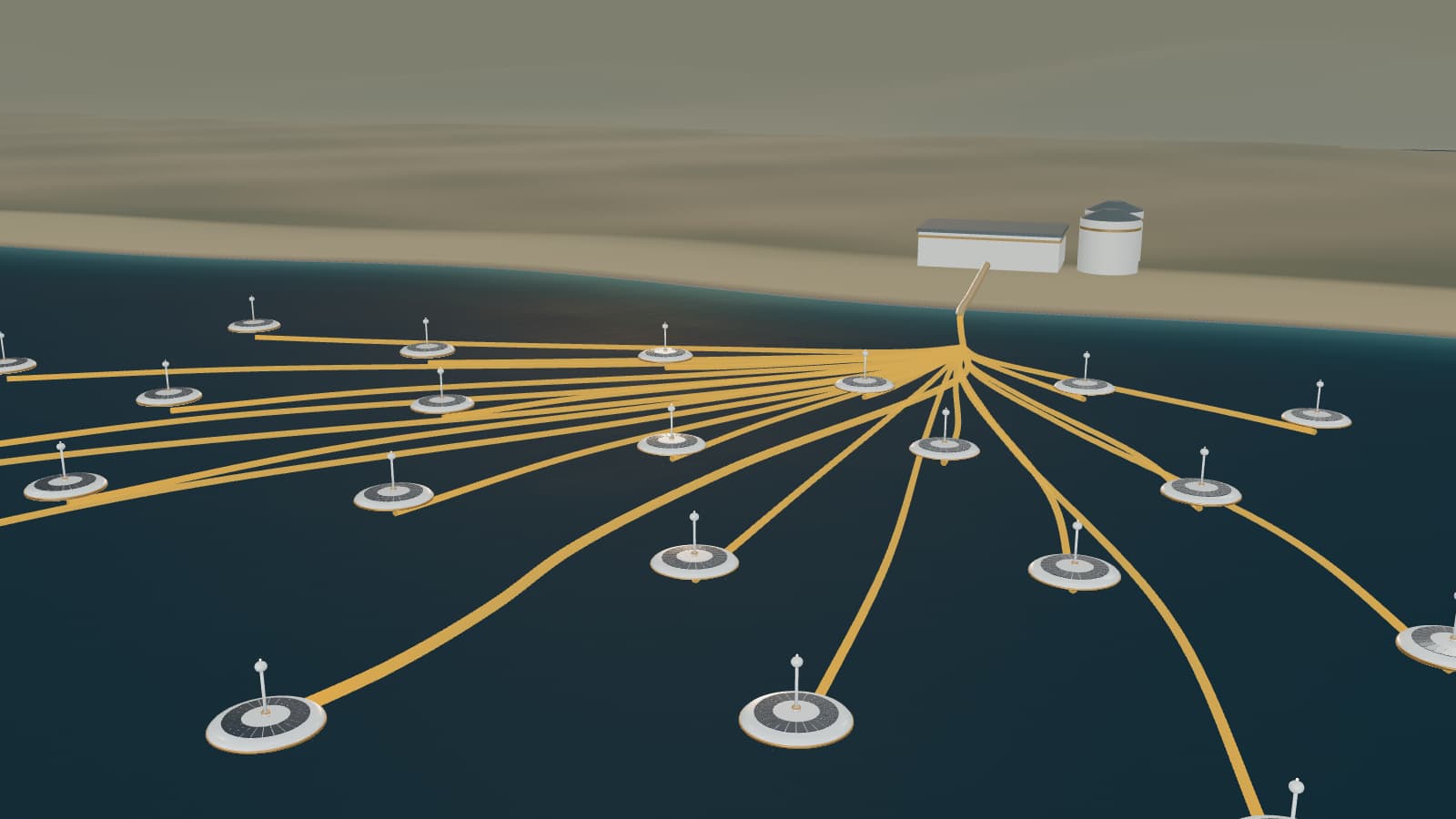
We install the modular units your site needs, sized to the demand agreed with you, moor them offshore and pipe their water to a collection centre on shore. The lightweight, corrosion-resistant design is built for rapid deployment.
-
Operate and monitor
Liv Fresh runs and maintains the system from then on. Satellite-enabled IoT monitoring reports performance in real time, and you receive live data on water quality and system health while you pay for the water by subscription.
The water, and the data behind it
You don't have to take the quality of your water or the state of the system on trust. Integrated monitoring lets you see both, as it happens.
- Water quality, in real time
- Live data on the quality of the water the units produce, from integrated IoT monitoring.
- System health, in real time
- Performance data from the units, delivered by satellite-enabled remote monitoring, for a supply that is transparent and reliable.
- A fixed cost
- A predictable subscription in place of a capital outlay, with operation and maintenance handled by Liv Fresh.
- Supply through calm seas
- Graphene-based supercapacitors store excess energy for low-wave periods, and the hybrid wave, solar and wind system is designed for 24/7 operation.
- A lighter footprint
- No grid electricity, no greenhouse-gas emissions and no chemicals, with eco-friendly brine, a safer water intake and a design that promotes the growth of marine life.
How pricing works
You pay for water, not equipment. The rate reflects your site, your sector and the terms of your contract.
- Public sector
- An indicative rate of $0.70–$1.10 per 1,000 litres of desalinated water for government contracts.
- Private sector
- Priced on request for cities, industry, tourism, residential communities, hotels and resorts, private islands, irrigation and emergency services. Tell us about your site and we'll prepare a quote.
What the model is designed to save
These are the cost and efficiency targets Liv Fresh is working to. Pilot deployments will measure them in real conditions before we treat them as results.
- Over 50%
- lower desalination costs than traditional plants, using wave-powered technology.
- 25%
- reduction in lifecycle costs, through integrated real-time monitoring.
- Up to 75%
- greater efficiency, by tailoring output to agriculture, industry and community needs so no water or energy is wasted.
Projected targets, to be confirmed in pilot deployments.
Who the model suits
Any coastal organisation that needs a dependable water supply but would rather not fund, build and run a desalination plant itself.
Governments and municipalities
Public water supply with no capital outlay, saving taxpayer money.
Cities and communities
Safe drinking water for coastal towns and residential communities.
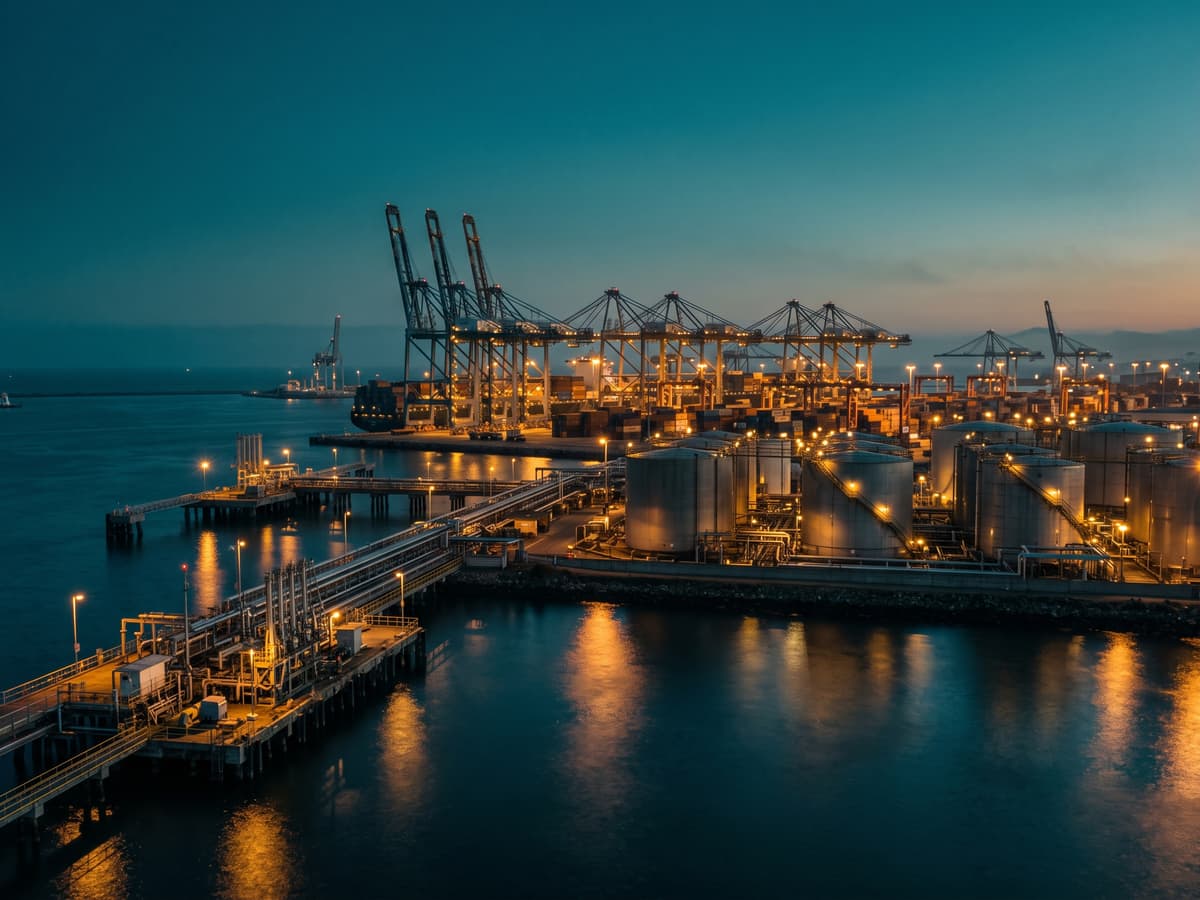
Industry
A dependable supply for coastal industrial hubs.
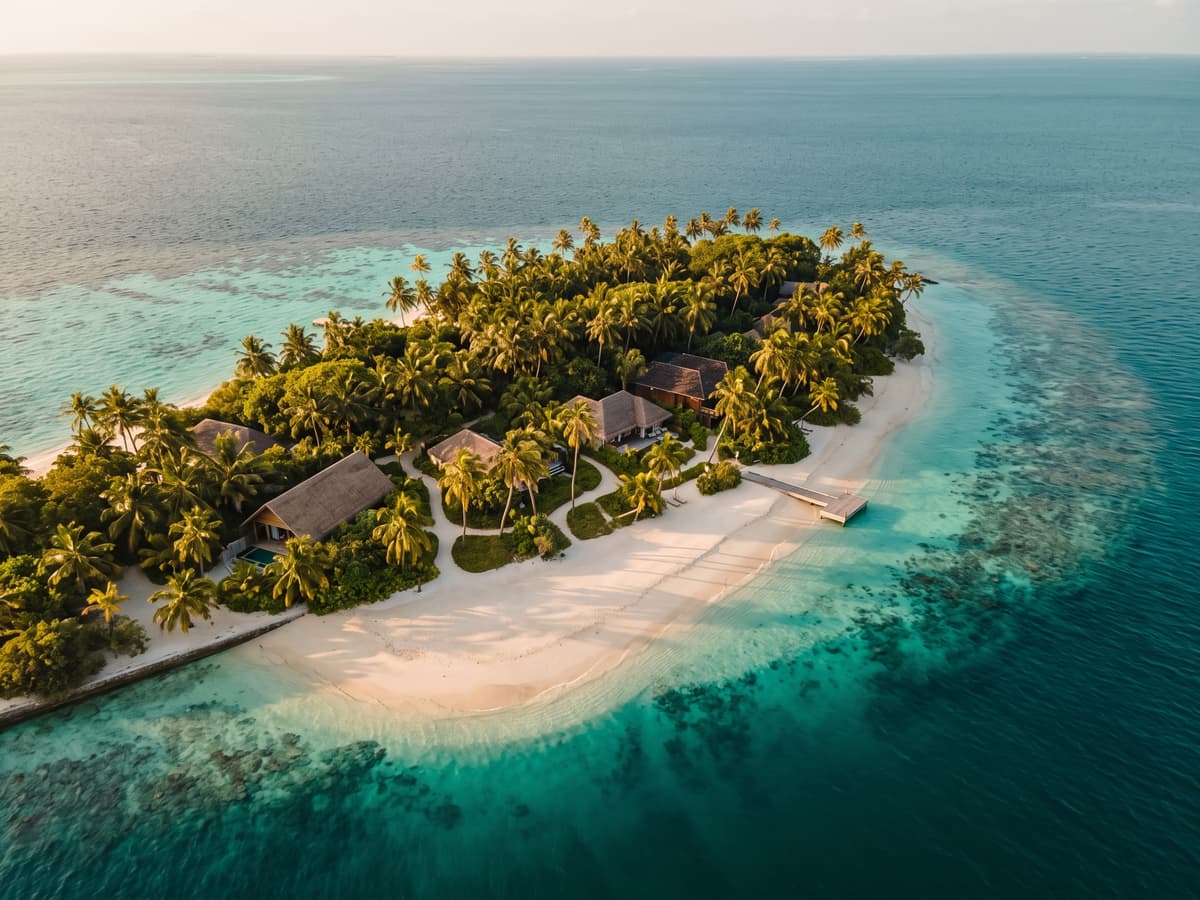
Hotels, resorts and private islands
A supply of their own for tourism sites and islands.
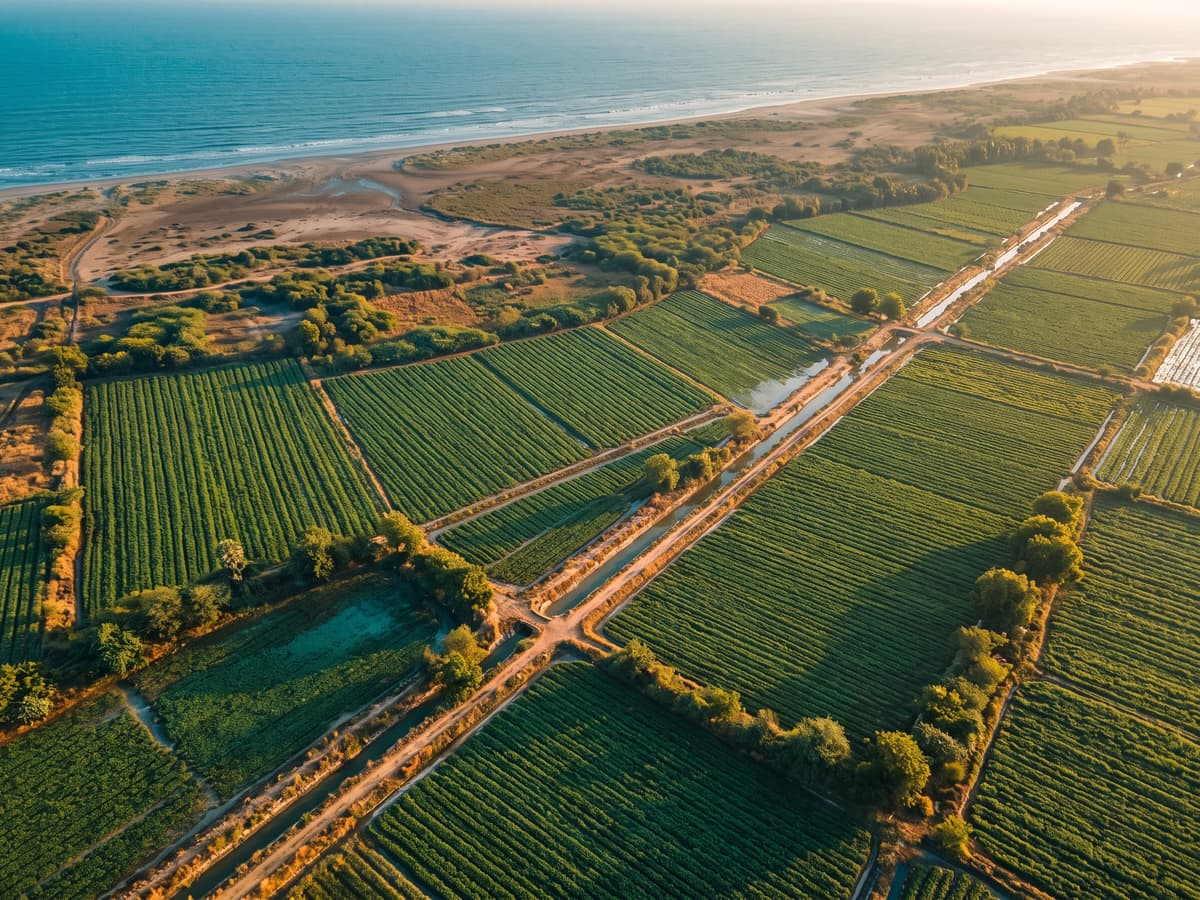
Agriculture
Irrigation water that eases the pressure on groundwater.
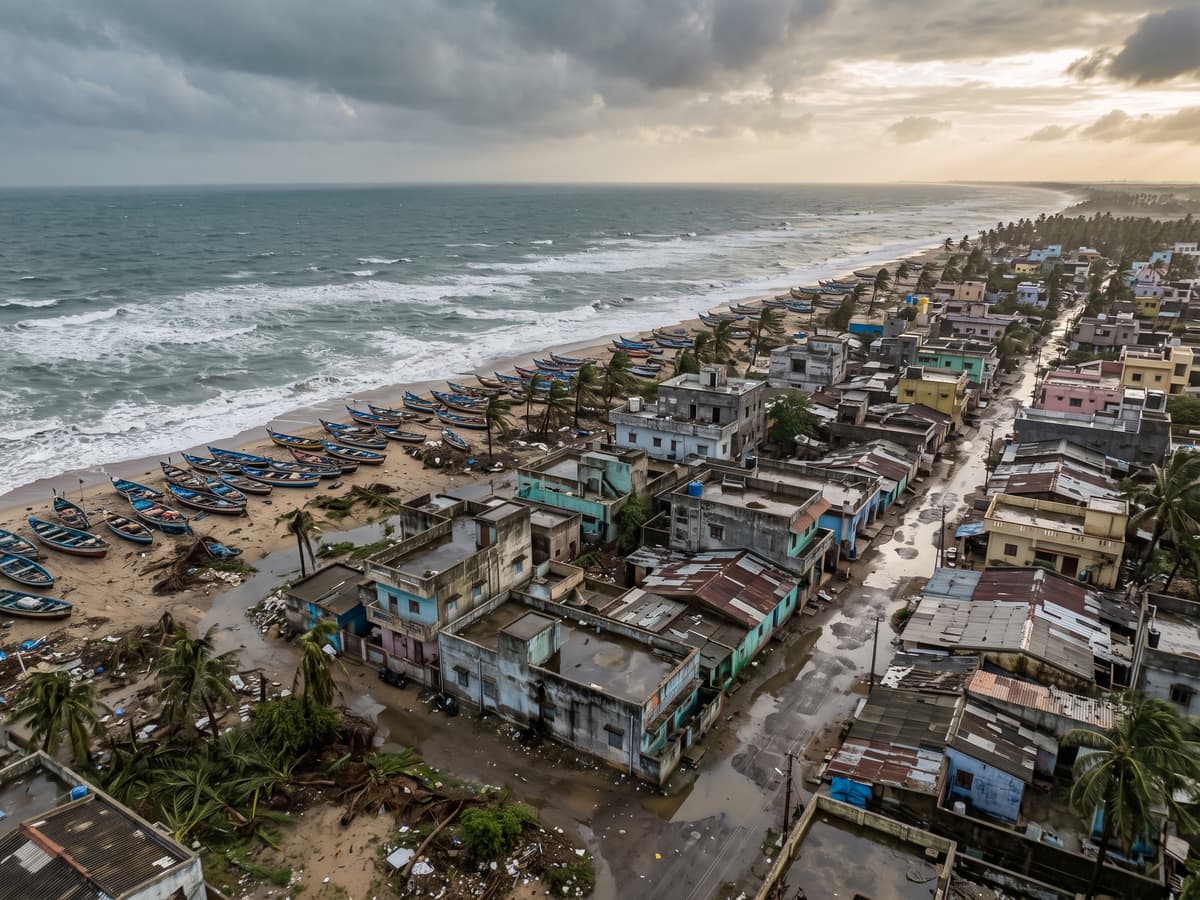
Emergency services
Modular units built for rapid deployment when supply fails.
Questions buyers ask
- Who owns the units?
Liv Fresh provides the units; you don't buy them. That is what removes the capital cost from your side: you subscribe to the water they produce.
The full terms, including what happens at the end of a contract, are set out in each agreement.
- How long is a contract?
Contract length and terms are agreed for each engagement, based on your site, your sector and the volume of water you need. Talk to us and we'll set out the options for your case.
- Who maintains the system?
Liv Fresh does, as part of the service. The modular design uses lightweight, corrosion-resistant materials so units are quick to maintain, and the graphene oxide membranes are designed to reduce operational downtime.
- What if our demand grows?
The system is modular, so supply grows by adding units rather than by building a new plant. Tell us when your needs change and we'll plan the additional capacity with you.
- Can we see how the system is performing?
Yes. Integrated IoT monitoring gives you real-time data on water quality and system health, through satellite-enabled remote monitoring. How that data is shared with your team is agreed when the system is set up.
- What happens when the sea is calm?
The wave energy converters adapt to changing wave intensity, and graphene-based supercapacitors store excess energy to keep the units running through low-wave periods. Solar and wind work alongside wave power, and the hybrid system is designed for 24/7 operation.
See what a subscription would look like for your site.
Tell us where you are and how much water you need. We'll talk through the site, your sector and the pricing that would apply.